There is a moment every summer when hot coffee stops making sense and a tall glass of something cold and smooth takes its place. Learning how to make cold brew coffee at home is the easiest way to get there, and it costs far less than a daily trip to the cafe. The method is patient rather than complicated, and once you understand the few things that matter, you can make a batch that rivals anything you would pay five dollars for.
What makes cold brew different
Cold brew is not just iced coffee. Iced coffee is brewed hot and then chilled, which can leave it bitter and thin once the ice melts. Cold brew skips heat entirely. Ground coffee steeps in cool water for many hours, and that slow extraction pulls out sweetness and body while leaving most of the harsh, acidic compounds behind. The result is rounder, less sour, and naturally a little sweet, which is why so many people who think they dislike coffee end up loving it this way.
The ratio that gets it right
If there is one number worth remembering, it is the coffee to water ratio. A good starting cold brew coffee ratio is one part coffee to four parts water by weight for a concentrate you will dilute later, or about one part to eight if you want to drink it straight. Too little coffee and the brew tastes watery, too much and it turns syrupy. Weigh your grounds if you can, since scooping by volume is wildly inconsistent. Once you find a strength you like, write it down so you can repeat it.
Choosing and grinding your beans
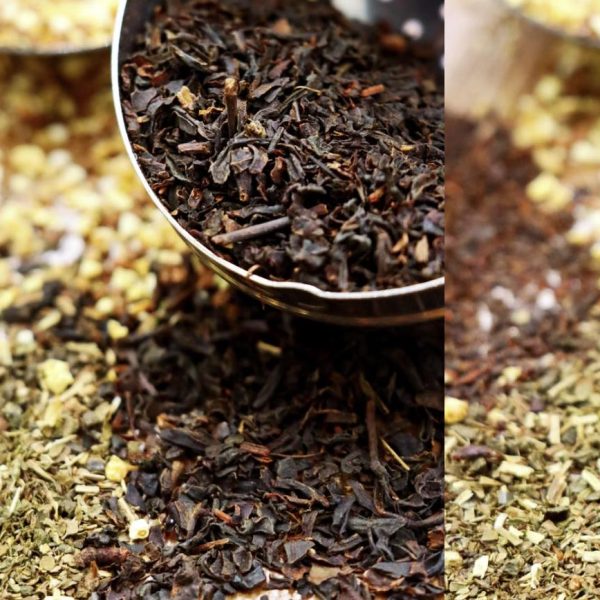
The best coffee for cold brew at home is usually a medium or dark roast with chocolate, nut, or caramel notes, because those flavors shine in a smooth, low-acid drink. Grind matters just as much as the beans. You want a coarse grind, close to raw sugar or coarse sea salt. A fine grind slips through your filter and makes the final cup muddy and over-extracted. If you buy pre-ground coffee, ask specifically for a cold brew or French press grind.
The step by step method
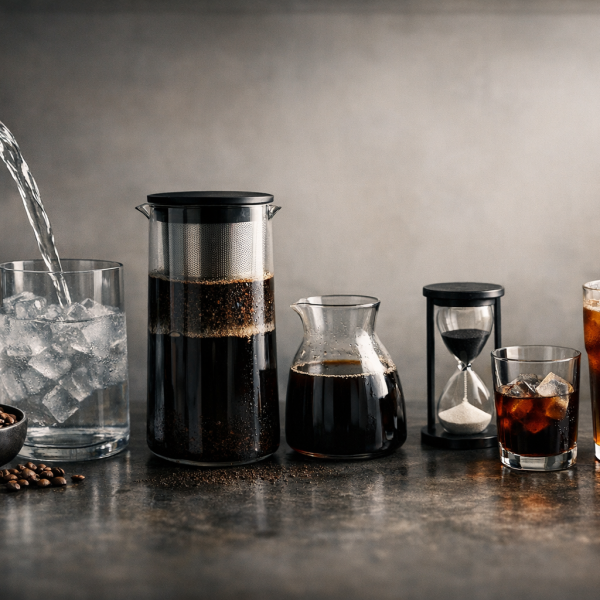
Here is how to make cold brew coffee without any special equipment. Combine your coarse grounds and cool, filtered water in a large jar, stir gently so every bit of coffee is wet, then cover it. Let it steep at room temperature or in the fridge for twelve to eighteen hours. Longer is not always better, since past a certain point you start pulling bitterness back out. When the time is up, strain the coffee through a fine mesh sieve lined with a paper filter or a clean cloth. Pour slowly and resist the urge to squeeze the grounds, which releases the very bitterness you worked to avoid.
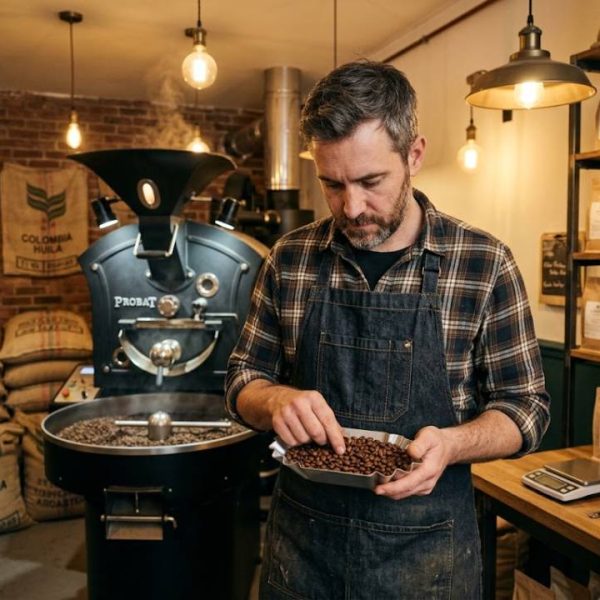
Making good coffee at home raises your standards, which makes finding a decent cup on the road unexpectedly difficult. The consolation is that independent roasters have spread far beyond the big cities over the past decade. Building a route around them is one of the more rewarding forms of small town travel.
The equipment you actually need
One of the best things about cold brew is how little gear it demands. A large jar or pitcher, a way to weigh or measure your coffee, and something to strain with will get you started. Dedicated cold brew makers with built-in filters are convenient and worth it if you brew often, but they are not required. A French press doubles nicely as both a brewing vessel and a filter, and a simple nut milk bag handles straining for pennies. Start with what you have in the kitchen, learn what you like, then upgrade only if the habit sticks.
Storing and serving
Cold brew concentrate keeps well in a sealed container in the refrigerator for up to two weeks, which makes it perfect for busy mornings. To serve, fill a glass with ice, pour the concentrate, and add water or milk until it tastes right to you. A splash of simple syrup, a strip of orange peel, or a dash of cinnamon can turn a plain glass into something memorable. Because the flavor is so clean, small additions make a big difference.
A note on coffee culture and going global
Cold brew may feel modern, but cold steeping has roots in coffee traditions across the world, from Japan to the Mediterranean. As local methods travel and brands take their drinks to new countries, the small details of language and labeling start to matter. Industry stories show that poor localization can sink even strong food and beverage brands abroad, a reminder that flavor is only part of the story when a product crosses a border.
Common mistakes to avoid
Most disappointing batches come down to a handful of fixable errors: grinding too fine, steeping too long, using stale beans, or skimping on coffee to save money. If your brew tastes weak, add more grounds next time rather than steeping longer. For a deeper look at the chemistry and history, the overview of cold brew coffee is a useful starting point, and the home baristas in the cold brew community are generous with troubleshooting advice. With a little practice, your kitchen batch becomes the one you actually look forward to.